
TwoBlue · Ocean Intelligence & Autonomy Suite
The software of X-MAS.
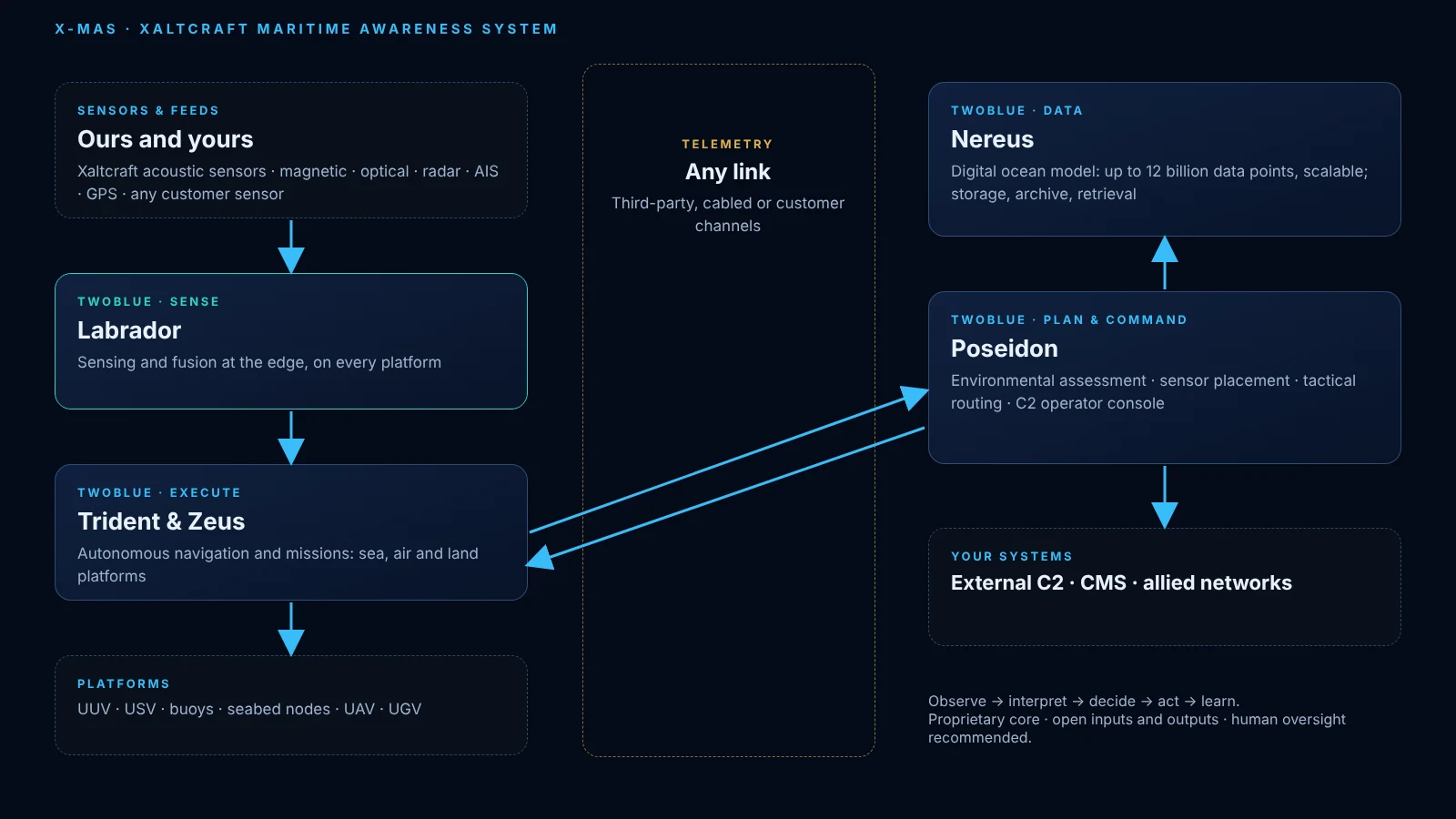
Five modules, a Data Handling System and four emulators, sharing one ocean model and one interface.
Data
Nereus
Digital ocean model, the front end of the Data Handling System
One live model of seabed, water and weather. Behind it, secure, redundant storage, archive, retrieval and replay.
Plan & Command
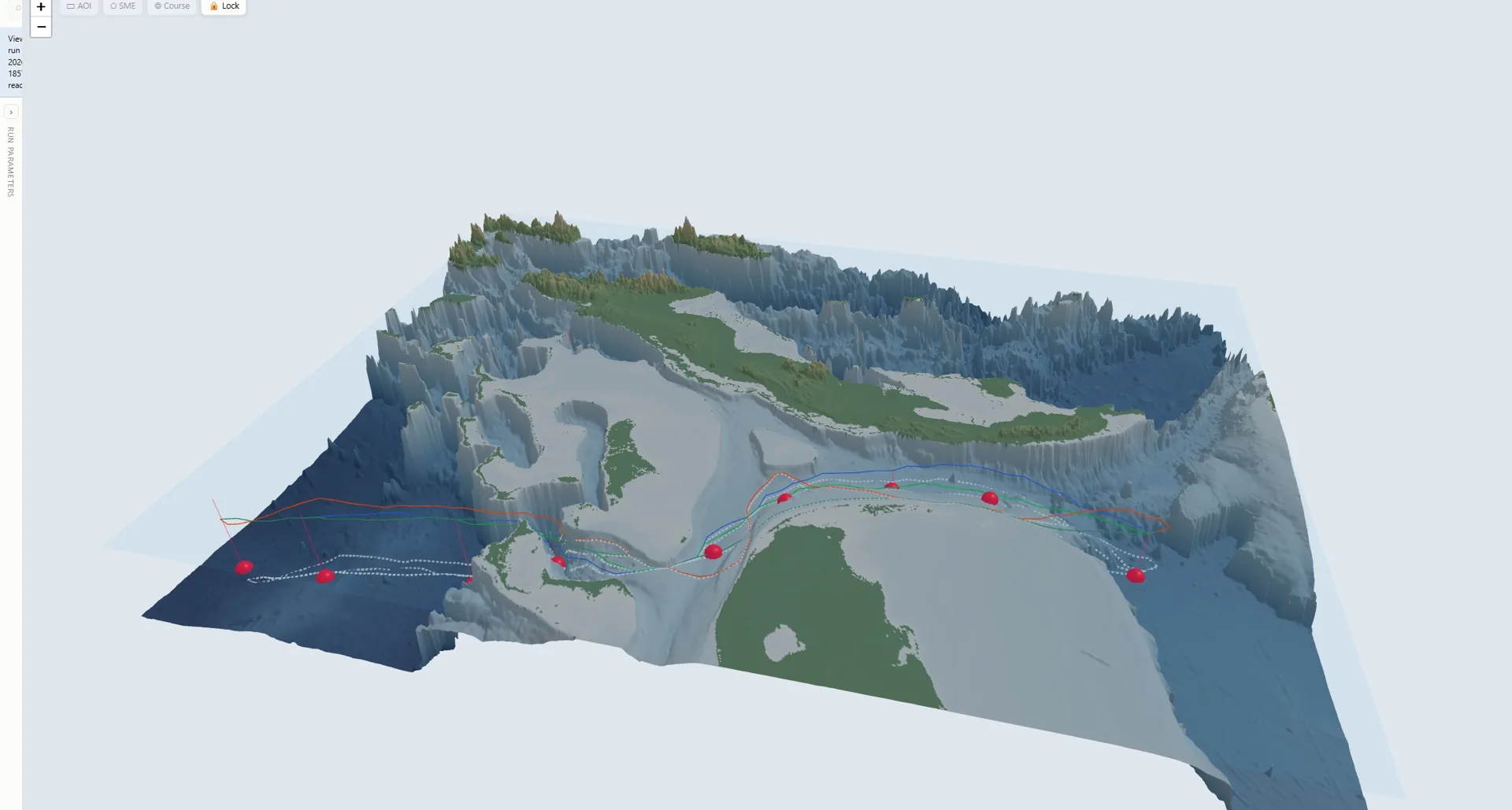
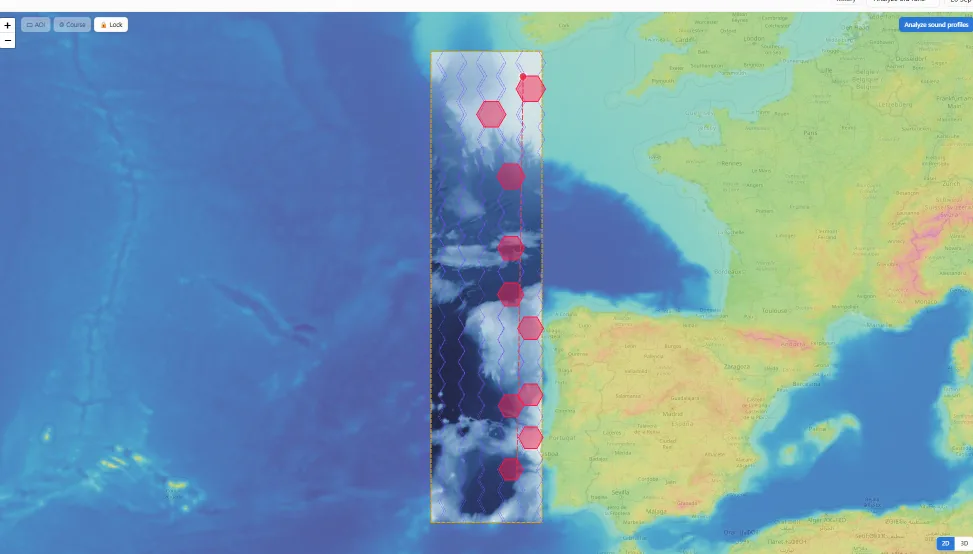
Poseidon
Planning, command and control
Assess the environment, place sensors, route the fleet, and command it from one console.
Execute · At sea
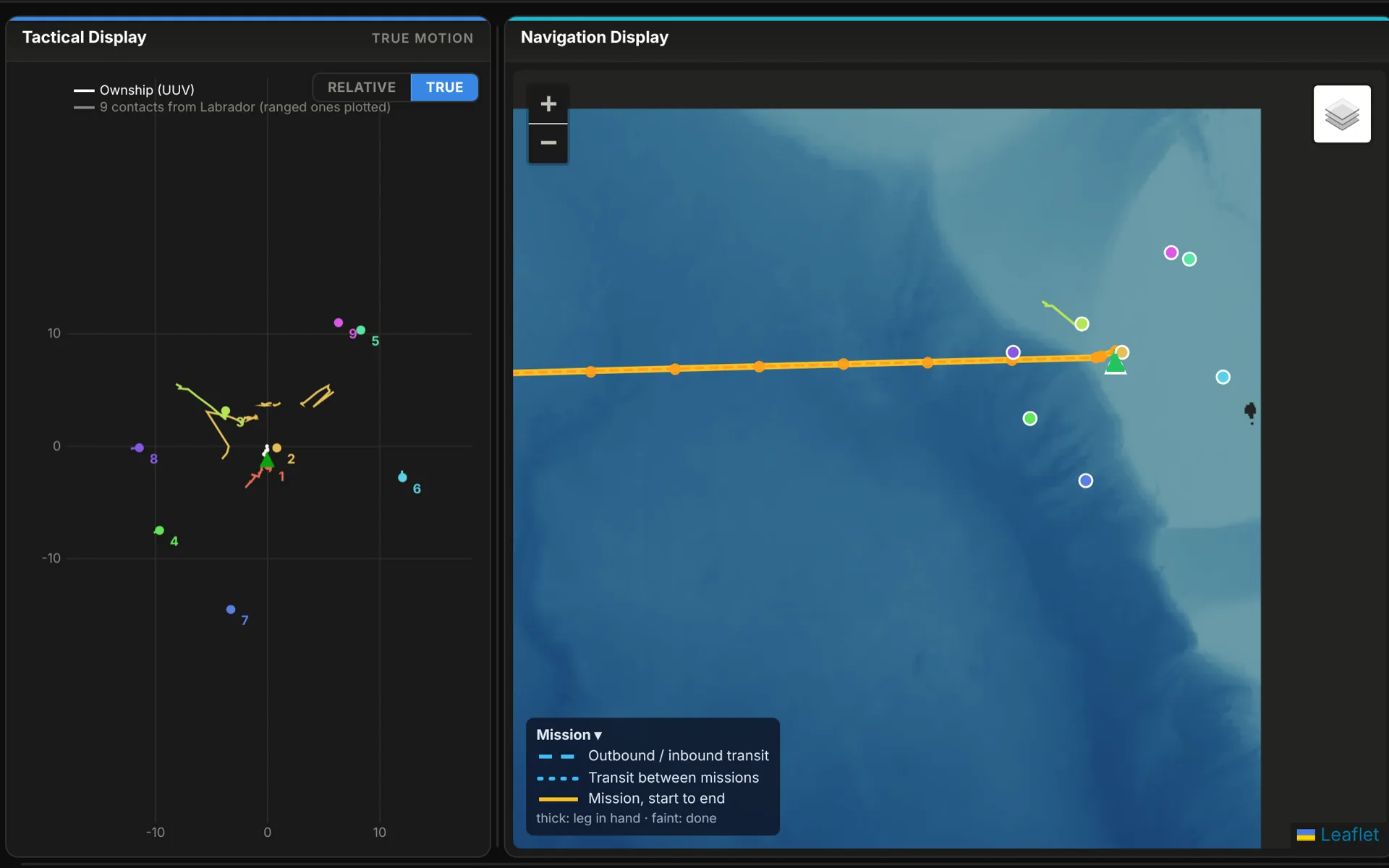
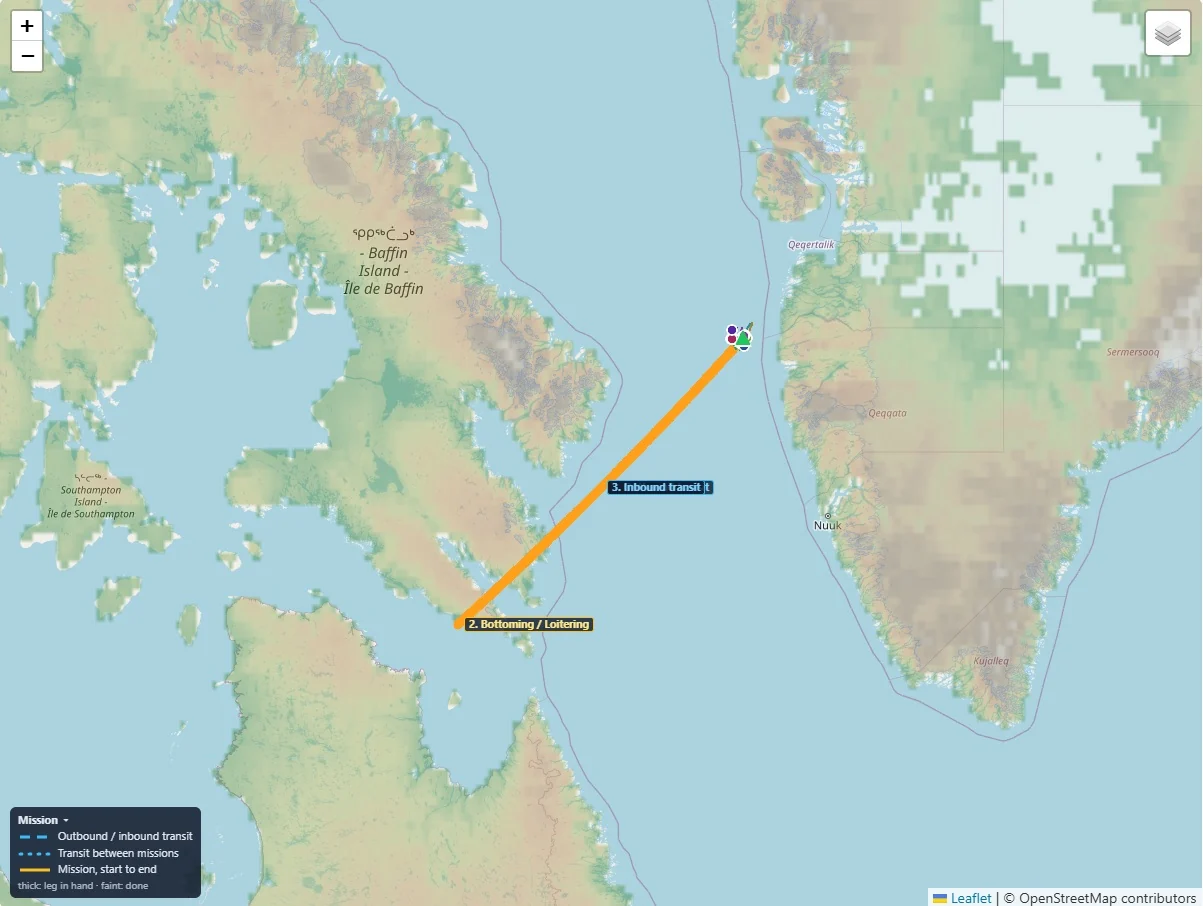
Trident
Autonomous navigation and missions at sea
Runs the Poseidon mission on board UUVs, USVs, buoys and seabed nodes.
Execute · In the air
Zeus
Autonomous missions in the air
Brings the same mission engine to fixed-wing and multirotor UAVs, from take-off to landing at HOME, and to UGVs on land.
Sense
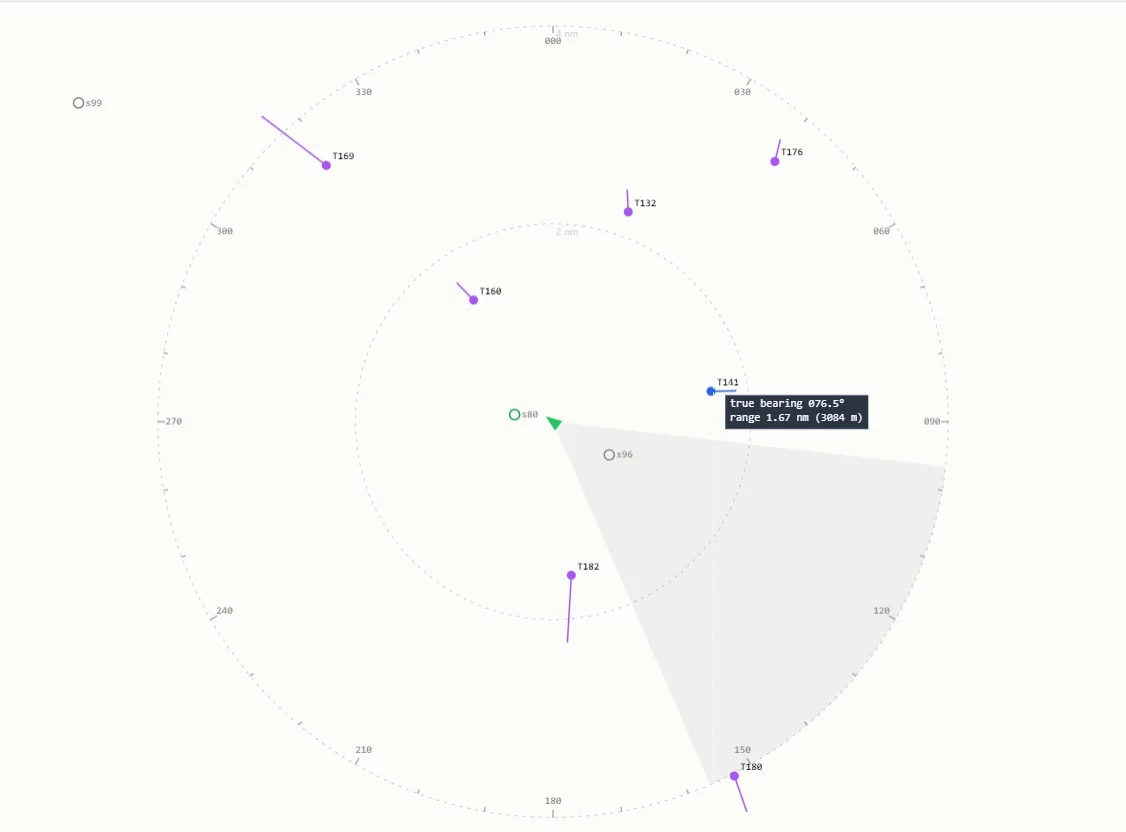
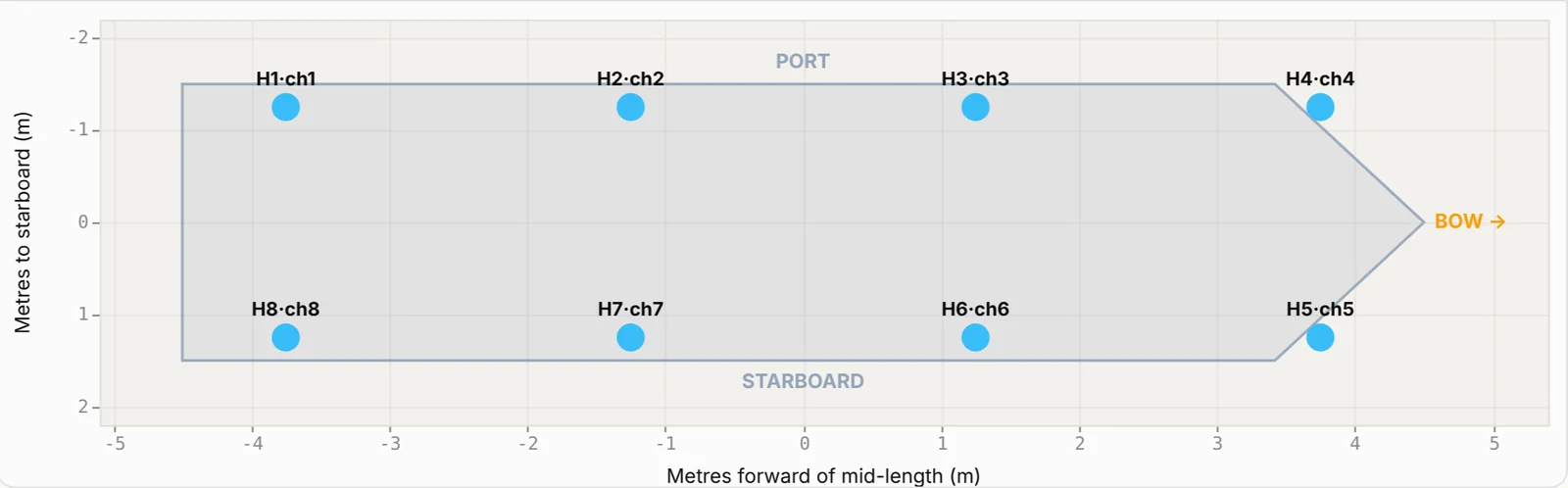
Labrador
The sensing system
Acoustic, magnetic and optical sensing, fused with radar, AIS and other feeds into one contact picture, at the edge on every platform.
Test before sea
Emulators
Four emulators, each sold separately
Trident Vessel, Zeus Aircraft, Labrador Array Placement and Array Performance emulators: train, test and integrate before anything gets wet or flies.
Proven
Proven end to end.
Built for disconnected, low-bandwidth operations.
- Advanced TRL. Complete missions run end to end with our emulators and simulators: Nereus data, Poseidon plans, Trident and Zeus vehicles reporting back.
- More than 2,700 automated checks. They run on every build, covering planning, autonomy, sensing, communications and the operator screens.
- No cloud needed. Runs on ordinary computers, so it works disconnected, at sea or on a secure network.
- Low-bandwidth communications. Compact, signed messages get through narrow, intermittent links such as satellite and long-range radio. Urgent traffic goes first, nothing is lost when a link drops, and large files wait until the vehicle is alongside on a fast link.
- Standard military symbols. MIL-STD-2525D and NATO APP-6(D) symbols, under STANAG 2019, in every TwoBlue program.
- Auto-erase. A lost vehicle erases its own data, so it cannot be read if someone else recovers it.
Read the TwoBlue brochures.
One for each module, with features and use cases.
Questions about buying, licensing or integration? Read the TwoBlue FAQ →
Privacy first. This website does not track you: no analytics, no advertising or tracking cookies, no visitor recording. We only see what you choose to send us.